
Description
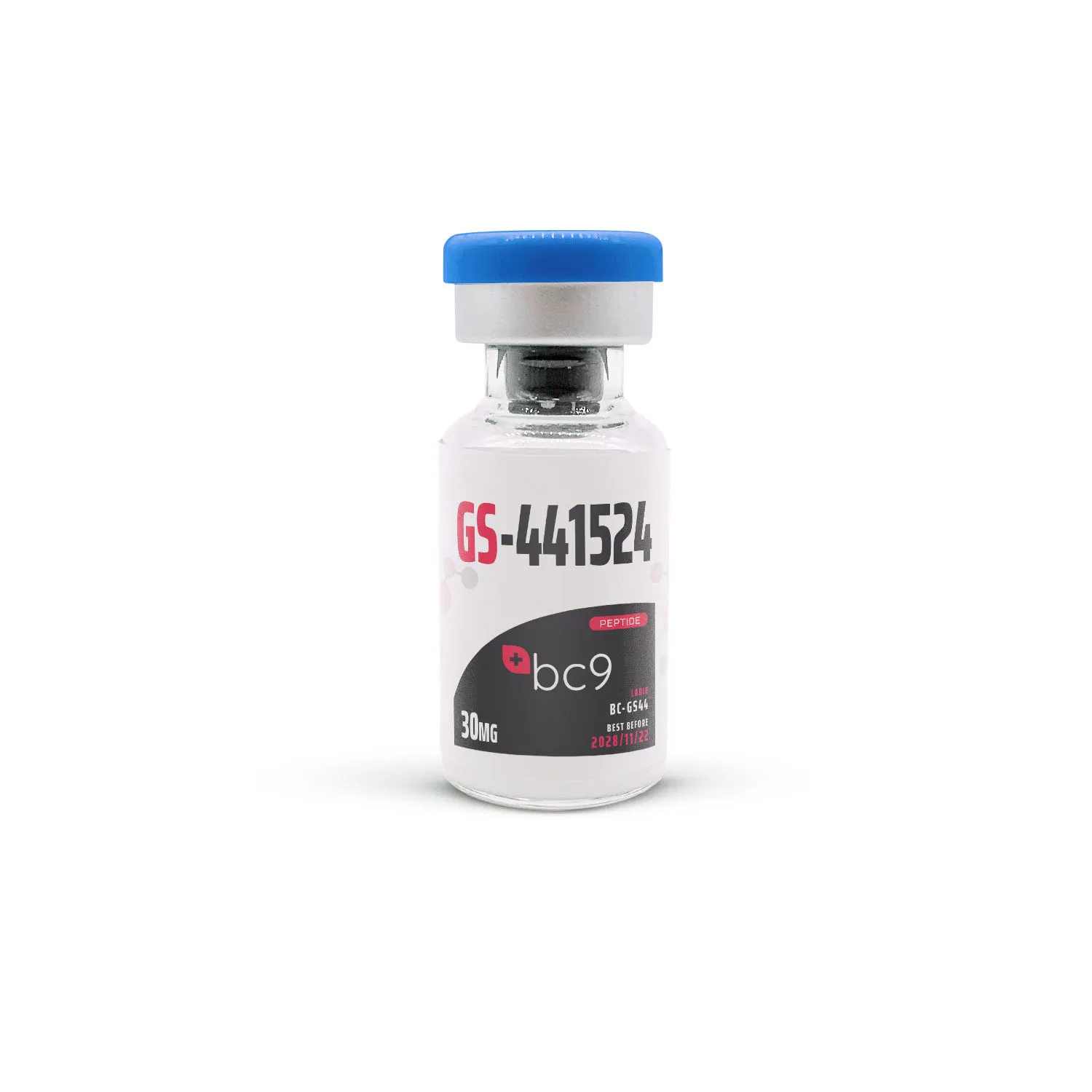
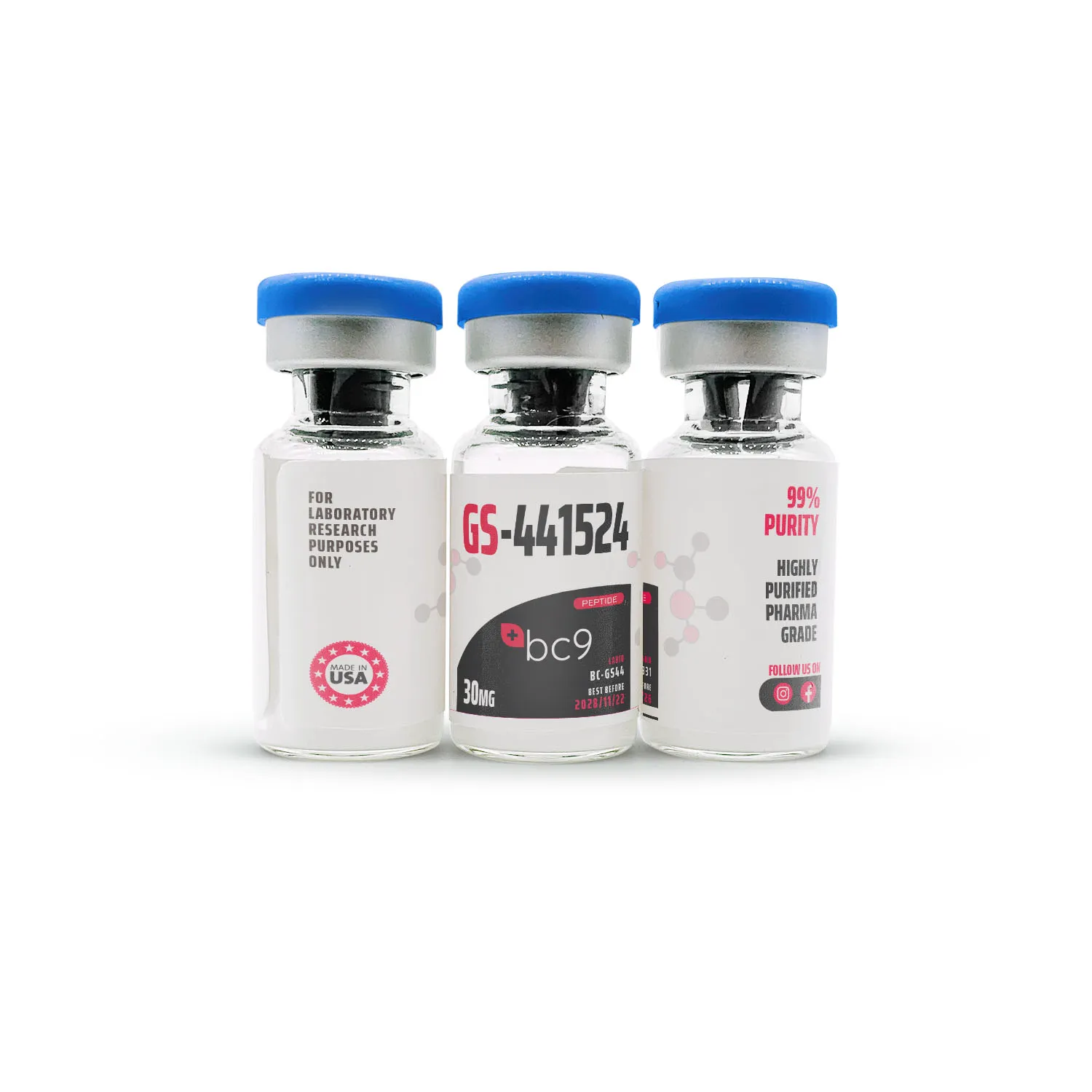
| GS-441524 | |
| CAS Number | 1191237-69-0 |
| Molar Mass | 291.26 g/mol |
| Chemical Formula | C12H13N5O4 |
| IUPAC Name | (2R,3R,4S,5R)-2-(4-aminopyrrolo[2,1-f][1,2,4]triazin-7-yl)-3,4-dihydroxy-5-(hydroxymethyl)oxolane-2-carbonitrile |
Introduction
GS-441524 is a nucleoside analog studied in antiviral research, particularly for its activity against coronaviruses. It is the parent nucleoside of the antiviral prodrug remdesivir. This compound is intended strictly for laboratory research and not for human or animal use.
Key Characteristics
GS-441524 is formulated to a high analytical purity standard, supporting its use as a consistent reference compound in antiviral research. Batch purity is maintained to ensure reproducible results across experimental studies.
Research Applications
This compound is used in virology research to study coronavirus replication mechanisms, nucleotide analog pharmacology, and the intracellular pathways that determine antiviral activity across cell and tissue types.
Research Benefits
GS-441524 and RNA-Dependent RNA Polymerase Inhibition
Inside cells, GS-441524 is converted to an active triphosphate form that gets incorporated into viral RNA during replication, which blocks the coronavirus RNA-dependent RNA polymerase from continuing to copy the viral genome. Researchers use this mechanism to study how nucleotide analogs can interrupt viral RNA synthesis at the molecular level.
GS-441524 and Broad-Spectrum Coronavirus Antiviral Activity
In laboratory studies, GS-441524 and its related prodrug inhibited replication of multiple coronaviruses, including SARS-CoV and MERS-CoV, in human airway cell cultures and animal models. This gives researchers a basis for studying how a single nucleoside analog can act across genetically distinct coronavirus species.
GS-441524 and Cellular Uptake and Metabolism
Because GS-441524 must be transported into cells and phosphorylated before it becomes active, researchers study how transporter expression and intracellular phosphorylation affect its antiviral activity in different tissue types. This research helps explain why the compound’s effectiveness can vary across cell types with different transporter levels.
Summary
GS-441524 is a nucleoside analog studied for its role in coronavirus RNA polymerase inhibition, broad-spectrum antiviral activity, and cellular uptake pharmacology. As the parent nucleoside of remdesivir, it serves as a valuable reference compound in virology research. This product is intended exclusively for laboratory research use.
Disclaimer
This content is presented exclusively for educational purposes and should not be construed as medical advice. THE MATERIALS REFERENCED HEREIN ARE EXCLUSIVELY INTENDED FOR LABORATORY AND RESEARCH USE.
Any clinical research initiatives must be conducted under the guidance of the relevant Institutional Review Board (IRB). Similarly, preclinical research involving animals must comply with the directives of the Institutional Animal Care and Use Committee (IACUC), adhering to the standards delineated by the Animal Welfare Act (AWA).
Our informational content is meticulously designed for research-oriented insights and is not a substitute for individual analysis and verification from credible sources before any purchasing decisions are made.
Upon finalizing your order and payment, you explicitly acknowledge and agree to adhere to our Terms and Conditions. Customer contentment stands as our paramount concern. If you are dissatisfied with the product received, kindly contact us at 419-707-5450 or email our support team at support@bc9.co.
IMPORTANT NOTICE: All products showcased on our platform are EXCLUSIVELY INTENDED FOR LABORATORY AND RESEARCH APPLICATIONS. They are expressly not intended for veterinary or human utilization.
References
- Sheahan TP, Sims AC, Graham RL, et al. Broad-spectrum antiviral GS-5734 inhibits both epidemic and zoonotic coronaviruses. Sci Transl Med. 2017 Jun 28;9(396):eaal3653. doi: 10.1126/scitranslmed.aal3653. PMID: 28659436. [Read More]
- Yan VC, Muller FL. Oral GS-441524 derivatives: next-generation inhibitors of SARS-CoV-2 RNA-dependent RNA polymerase. Front Med (Lausanne). 2022. doi: 10.3389/fmed.2022.1015355. PMID: 36561747. [Read More]
- Yan VC, Pham CD, Boyce H, Muller FL. Cellular Uptake and Intracellular Phosphorylation of GS-441524: Implications for Its Effectiveness against COVID-19. Antimicrob Agents Chemother. 2021 Sep 17;65(10):e00544-21. doi: 10.1128/AAC.00544-21. PMID: 34372575. [Read More]

Reviews
There are no reviews yet