
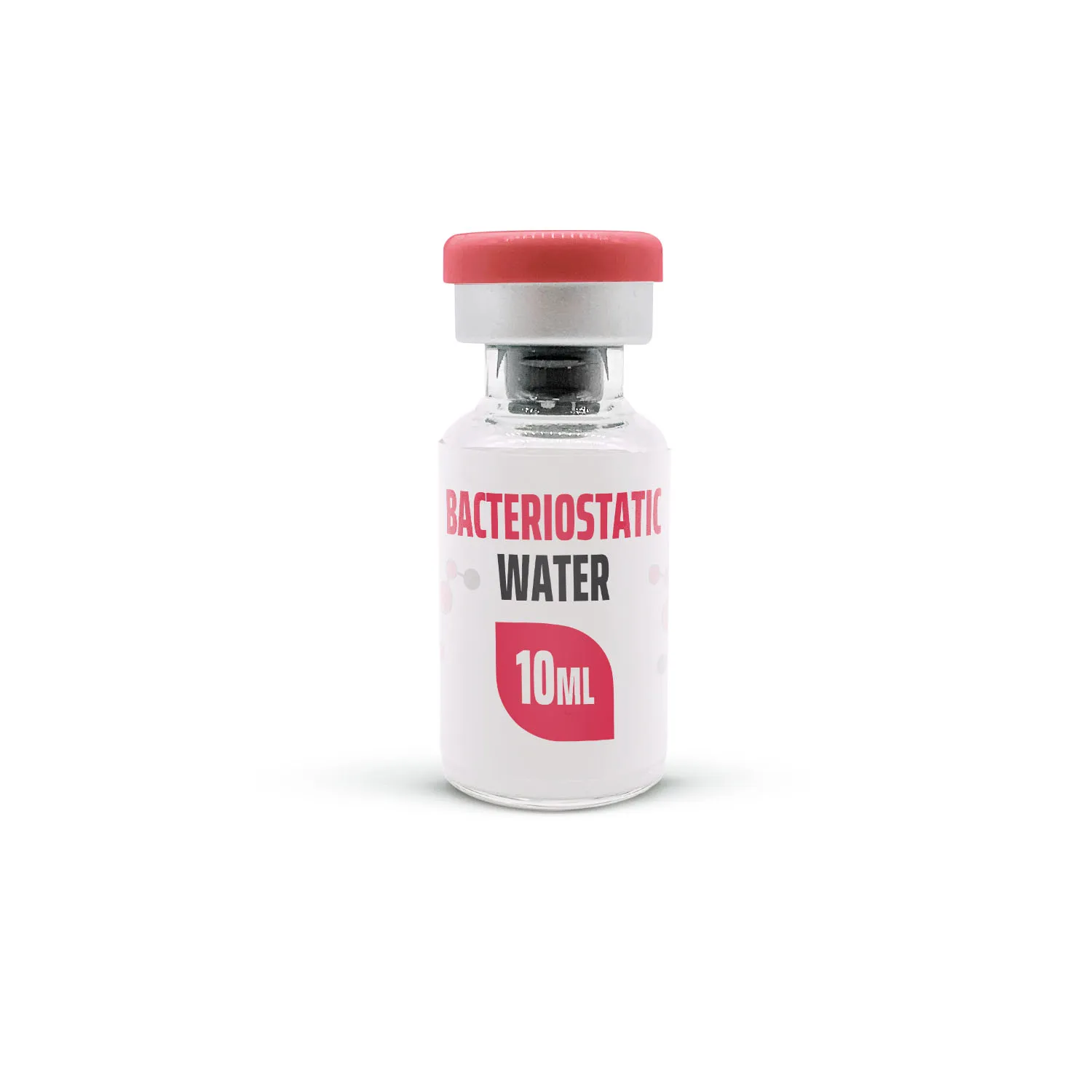
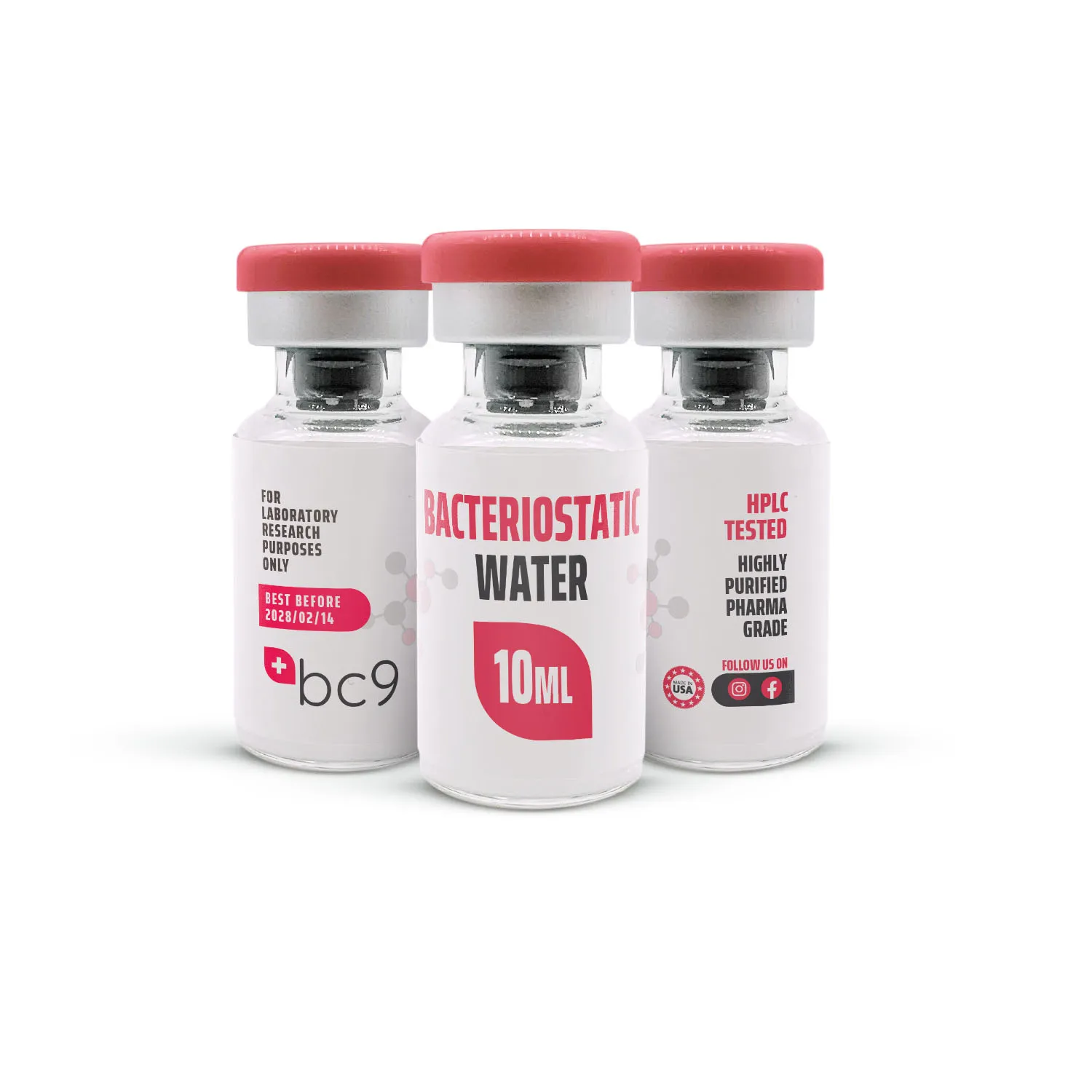
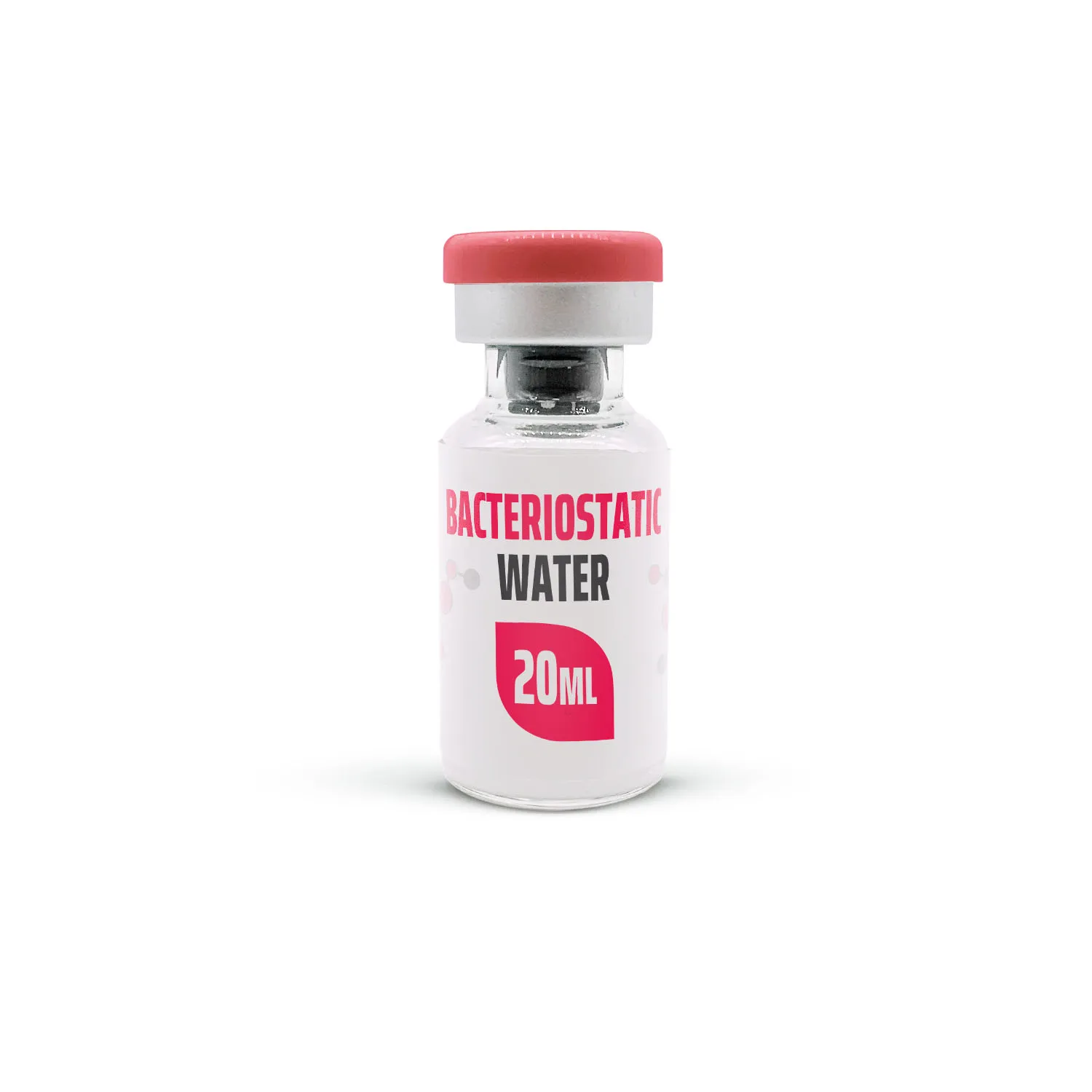
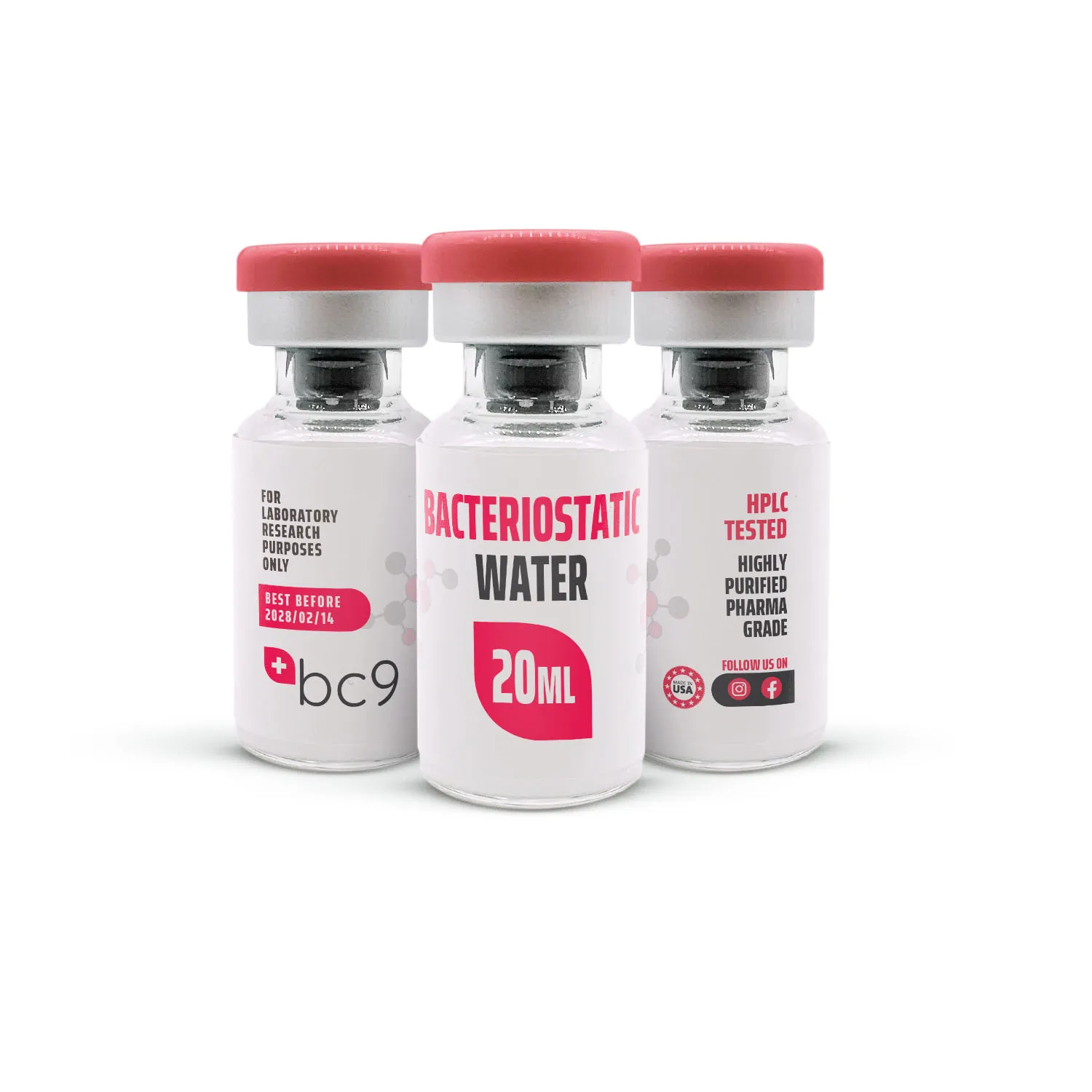
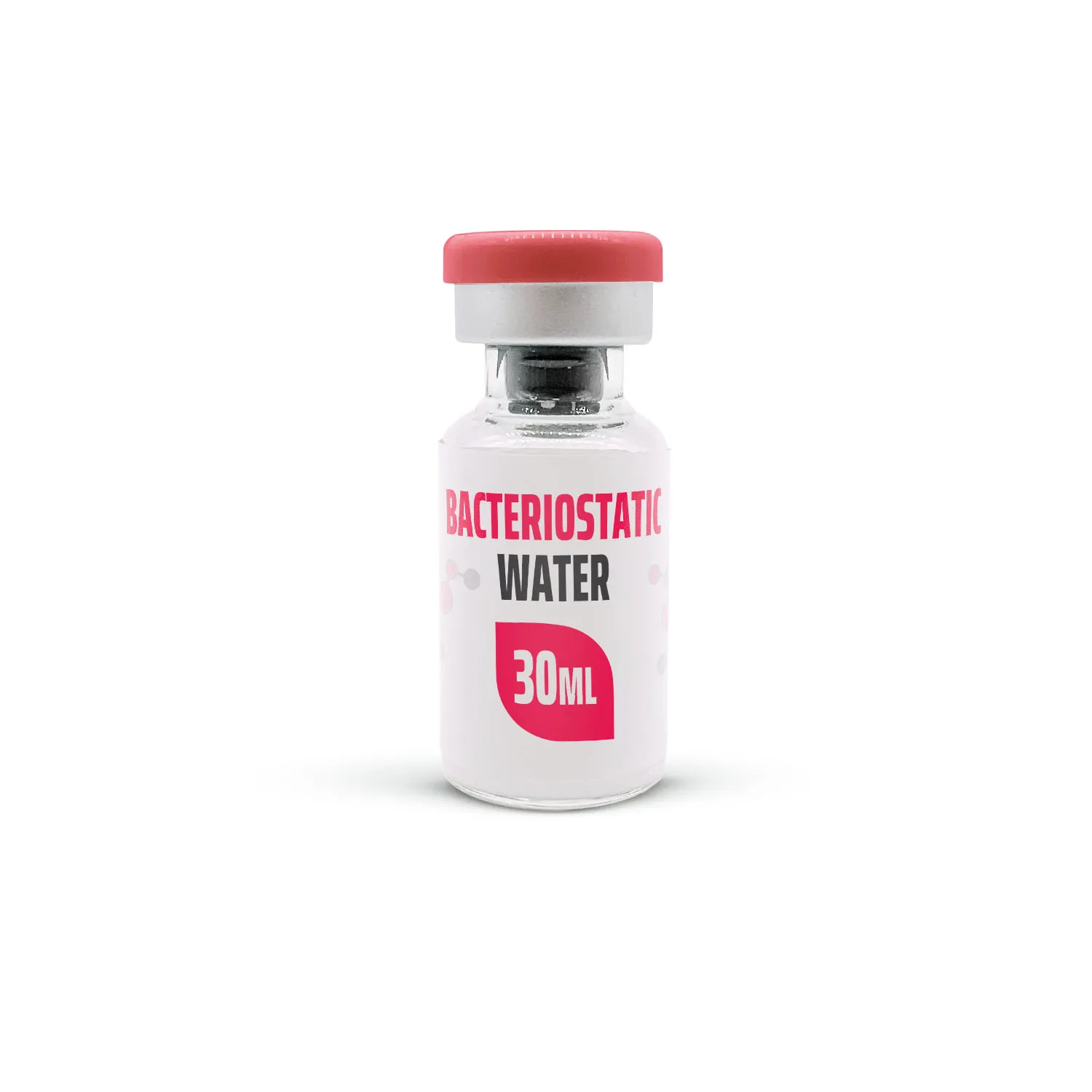
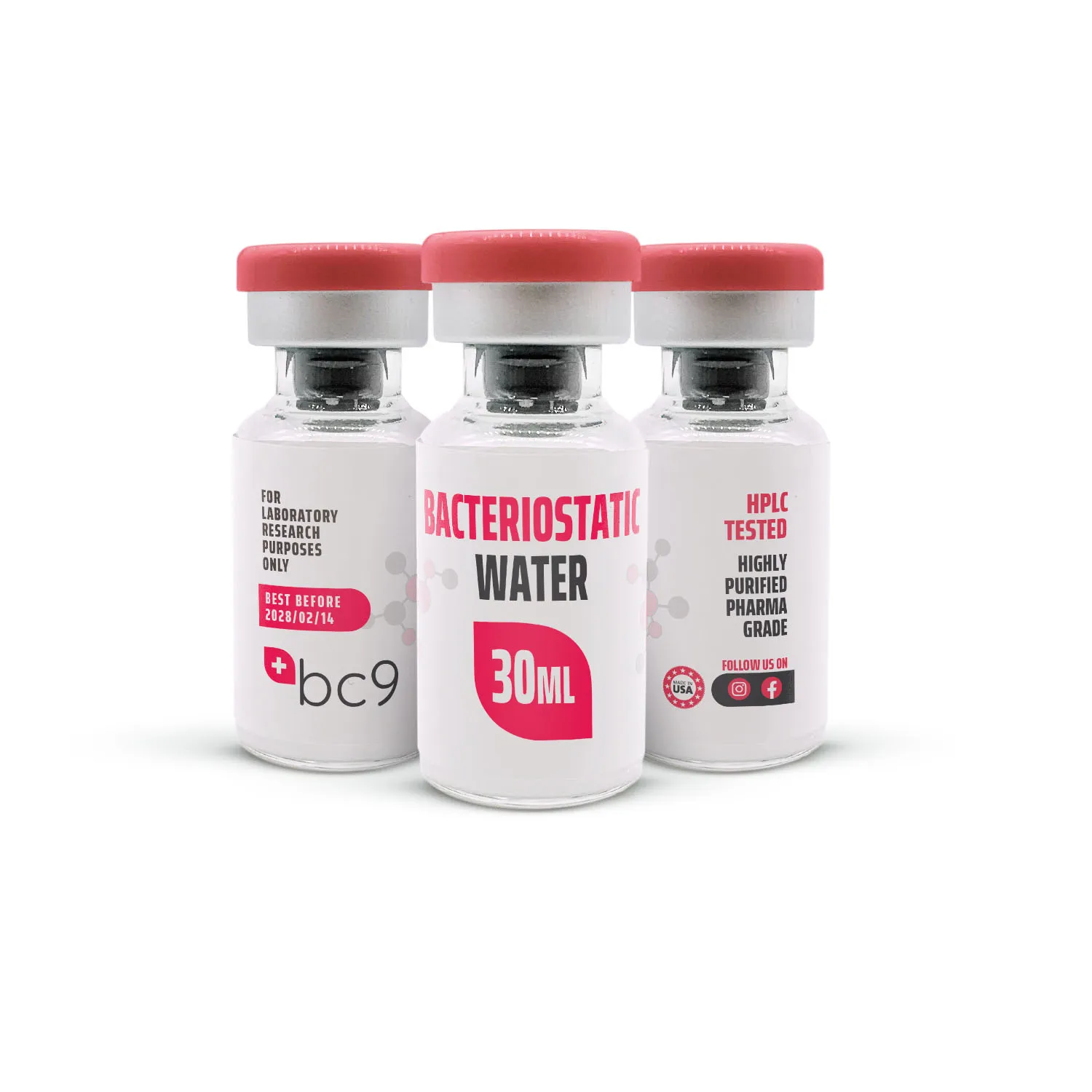
Description
Disclaimer: This product is not supplied as part of any combined system and is not intended to imply compatibility, co-administration, or use with any specific compound, protocol, or application It is not approved by the U.S. Food and Drug Administration (FDA) for human or veterinary use.
Chemical Properties of the Compound
| Property | Details |
| CAS Number | 7732-18-5 (Water component) |
| Molar Mass | 18.015 g/mol (Water) |
| Chemical Formula | H₂O |
| Composition | Sterile Water with 0.9% Benzyl Alcohol |
| Formulation Type | Aqueous preservative system (not a single isolated compound) |
| Stability/ Shelf life | Stable under controlled sterile conditions; dependent on container integrity and handling practices |
| Synonyms | Bacteriostatic sterile water; Bac water |
| Storage Instructions | Store at controlled room temperature; avoid contamination, excessive heat, and repeated exposure to open air |
| Purity/Quality Grade | Sterile, research-grade |
| IUPAC Name | Oxidane (Water) |
| Analytical Verification | Quality and composition are verified through sterility testing, endotoxin assessment, and validated quality control protocols |
Overview
Bacteriostatic water is a sterile aqueous solution containing 0.9% benzyl alcohol, incorporated as a preservative system to inhibit microbial proliferation in controlled environments. It serves as a foundational solvent system in laboratory workflows where solution stability and repeated access are required.
Unlike non-preserved sterile water, this formulation supports multi-use handling under aseptic conditions by limiting the growth of common microbial contaminants. This makes it particularly relevant in reconstitution procedures, analytical preparations, and controlled dilution systems.
Within research environments, bacteriostatic water is widely utilized in workflows that require both sterility and short-term microbial stability without introducing reactive chemical interference.
This product is intended for use by qualified personnel operating within controlled laboratory environments.
Working Characteristics
The functional behavior of bacteriostatic water is defined by its preservative system rather than intrinsic biological activity.
Benzyl alcohol, present at low concentration (0.9%), exhibits bacteriostatic properties through disruption of microbial cell membrane integrity and interference with enzymatic activity required for replication. These effects alter membrane permeability and metabolic function, thereby suppressing microbial proliferation under controlled conditions.
Importantly, this mechanism does not result in microbial destruction. Instead, it limits population expansion, meaning effectiveness is dependent on initial contamination load, environmental exposure, and adherence to sterile handling techniques.
As such, bacteriostatic water functions as a growth-inhibiting system, not a sterilizing agent.
Research Applications
In laboratory and analytical environments, bacteriostatic water is utilized in:
- Use in controlled laboratory procedures involving solution preparation and handling of non-clinical lyophilized research materials
- Preparation of diluted solutions for controlled experimental protocols
- Multi-dose vial systems requiring repeated sterile access
- Sample preparation workflows where microbial stability is necessary
- Comparative studies involving solvent stability and preservative efficiency
Additionally, it is used in controlled investigations assessing contamination dynamics, solution integrity, and preservative system performance in aqueous environments.
Note: Applications are strictly limited to controlled laboratory research settings. No clinical or therapeutic use is implied.
Risks & Handling Information
Handling Precautions
- Use appropriate personal protective equipment (PPE)
- Maintain strict aseptic technique during all handling procedures
- Avoid direct exposure via inhalation, ingestion, or skin contact
Potential Hazards
- Contains benzyl alcohol, which may present risks under improper exposure conditions
- Not suitable for uncontrolled environments or biological administration
Storage Risks
- Risk of contamination increases with repeated exposure
- Environmental factors (temperature, air exposure) may compromise integrity
- Degradation of preservative effectiveness may occur over time if improperly stored
- Do not use if solution clarity is compromised or container integrity is affected
Note: Manufactured under controlled conditions consistent with sterility assurance practices; endotoxin status is determined at the batch level where applicable.
FAQs
What is the function of benzyl alcohol in bacteriostatic water?
It acts as a preservative by inhibiting microbial growth, enabling controlled multi-use under sterile laboratory conditions.
Is bacteriostatic water self-sterilizing?
No. It does not sterilize contaminated solutions; it only suppresses microbial proliferation.
Why is it preferred over sterile water in some experiments?
It allows repeated access to the same solution without immediate microbial overgrowth, provided aseptic handling is maintained.
Can bacteriostatic water eliminate contamination?
No. It limits growth but does not remove or destroy existing contaminants.
How is quality and consistency verified?
Through sterility testing, validated quality control procedures, and batch-specific analytical verification methods.
References
- United States Pharmacopeia (USP) – Sterile Water and Bacteriostatic Preparations
- FDA Documentation – Benzyl Alcohol Preservative Systems
- PubChem Database – Water (CID: 962)
- Aseptic Processing & Sterility Assurance Guidelines

Reviews
There are no reviews yet