
Description
| CAS Number | 137525-51-0 |
| Molar Mass | 1419.56 g/mol |
| Chemical Structure | C62H98N16O22 |
| IUPAC Name | Gly-Glu-Pro-Pro-Pro-Gly-Lys-Pro-Ala-Asp-Asp-Ala-Gly-Leu-Val |
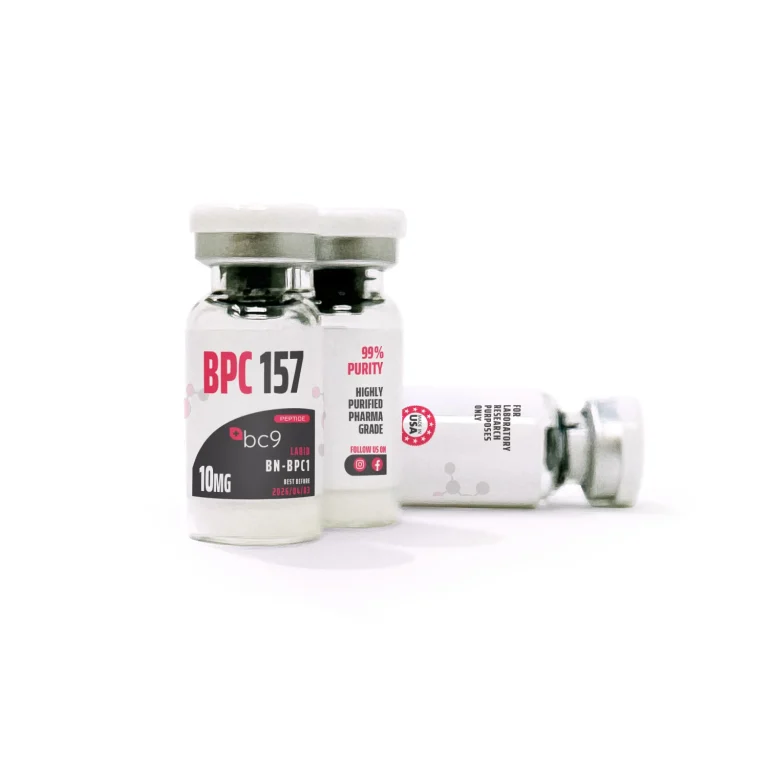
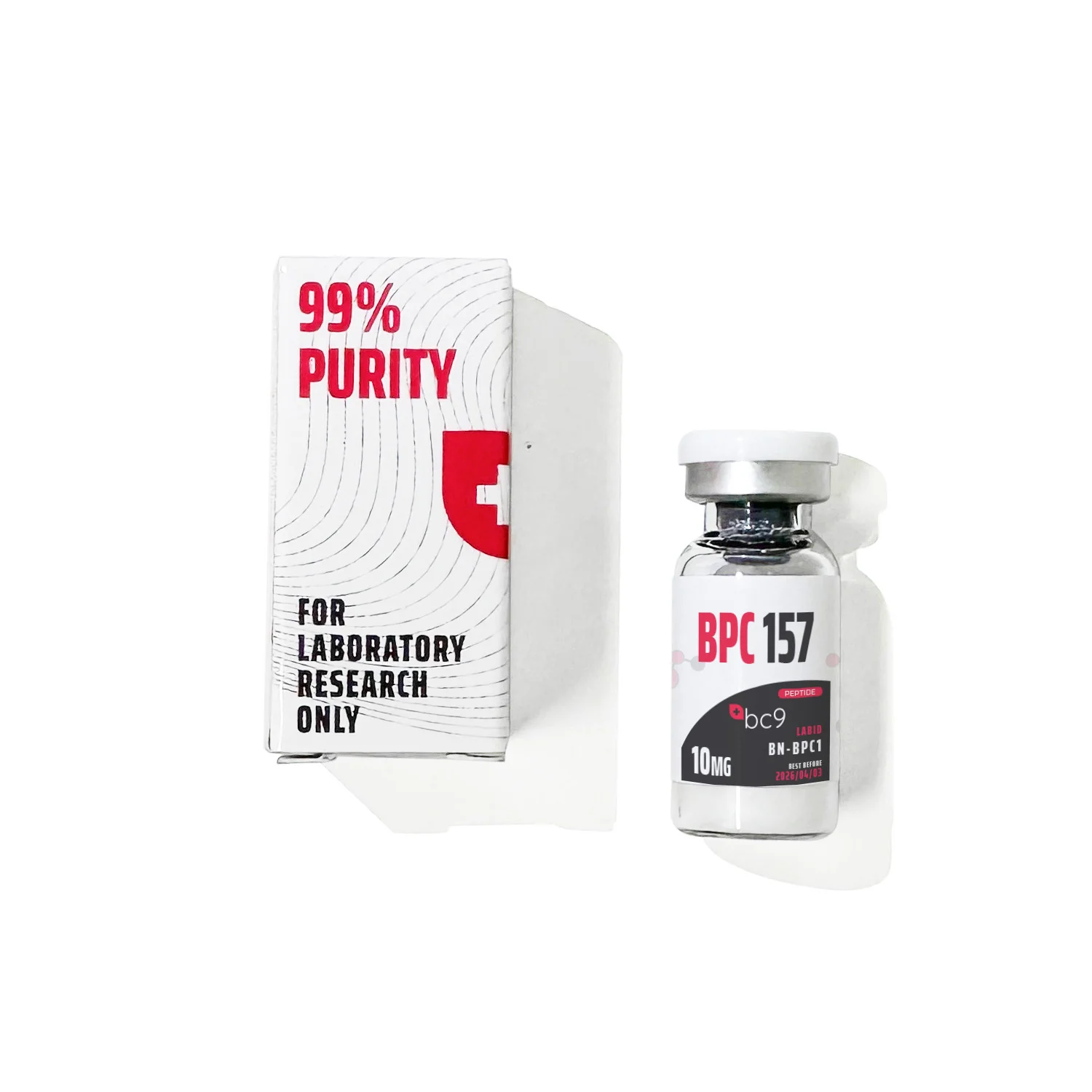
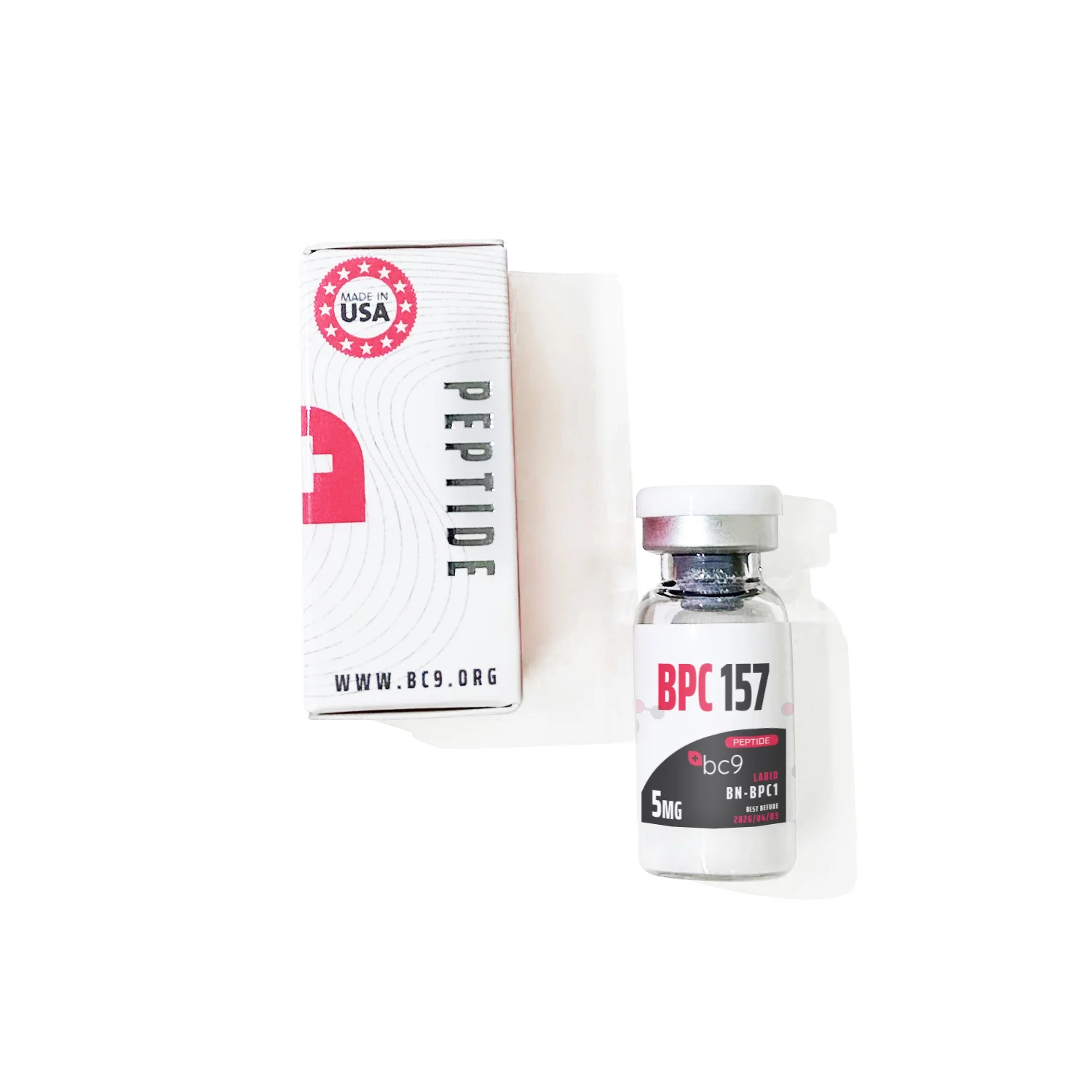
BPC-157 (Body Protection Compound 157) is a peptide that consists of a sequence of 15 amino acids. It is found naturally in the gastric juice in the human stomach. It has seen an influx of research due to its potential capability for healing and regeneration. This includes the potential to treat stomach ulcers and promote cell regeneration. It is also being researched for its potential to alleviate joint pain and reduce inflammatory responses to damaged tissue.
How Does BPC-157 Work?
BPC-157 has been found to have various potential mechanisms of action. This includes promoting Nitric Oxide synthesis. This may activate cells involved in tissue repair, stimulating growth factors, and combating inflammation.
Note: Explore our research-grade peptide collection for advanced laboratory studies. The BPC-157 + TB-500 Peptides blend is formulated to support investigations into potential synergistic effects on recovery pathways. For targeted studies, we also offer BPC-157 ARG Peptide, featuring an arginine-modified structure, and the standalone TB-500 Peptide for focused actin-regulating research. Additionally, our Ipamorelin Peptide is available for growth hormone-related studies.
Browse our full peptides category to view the complete range of compounds available for non-human research use.
Disclaimer: All products are intended for laboratory research only. Not for human use or consumption.
Potential Benefits of BPC-157
Some of the potential benefits BPC-157 is being researched for include:
- Promoting wound healing
- Potential to treat stomach ulcers
- Potential to accelerate tissue regeneration
- Could potentially stimulate effective blood flow
- Is believed to have the potential to reduce joint pain
- May potentially inhibit inflammatory responses
Promoting wound healing
BPC 157 has been shown to enhance angiogenesis. This equals more red blood cells that could potentially lead to improved wound healing in several research subjects.
Potential to treat stomach ulcers
As mentioned above, studies indicate that BPC-157 has the potential to facilitate cell regeneration and reduce inflammation, making it potentially effective in treating stomach ulcers.
Potential to accelerate tissue regeneration
Research suggests that BPC-157 also promotes blood vessel formation, which is crucial for tissue regeneration and nutrient delivery.
Could potentially stimulate effective blood flow
If BPC 157 research is to prove its potential for angiogenesis, it may have the potential to improve blood flow in injured areas of subjects.
Is believed to have the potential to reduce joint pain
Clinical trials have indicated that BPC-157 may alleviate joint pain through its anti-inflammatory and tissue repair properties.
Reduces inflammatory responses
BPC-157 has undergone research into its potential to inhibit cytokines. Inhibiting cytokines may lead to reduced inflammatory responses in various settings.
Disclaimer:
The products at BC9 are only for research purposes. We do not promote them for human consumption.
Why Choose BC9 to Buy BPC-157?
BC9 offers high-quality first and third-party-tested products at budget-friendly prices. We go above and beyond to ensure that you are getting the best quality and value when you entrust BC9 with your compounds.
We believe in the purity of our 99% pure ingredients. With a product like ours, fast delivery is just an added bonus. Some additional benefits you can expect from BC9:
- Free shipping for orders above $150
- 99 % pure ingredients
- Third-party tested products
- 24/7 customer support
- Multiple Payment options
Frequently Asked Questions
What does BPC 157 do to the body of research subjects?
BPC 157 has massive potential for research subjects. These benefits may include cell regeneration and promoting wound healing. Apart from that, it may reduce joint pain and ensure effective blood flow in research subjects.
Is BPC-157 an anti-Inflammatory for research subjects?
Yes, as mentioned above, BPC-157 has shown the potential for anti-inflammatory responses in research subjects. This may be due to its potential to inhibit cytokines in subjects.
What are the potential side effects of BPC-157 for research subjects?
The side effects of BPC 157 observed on research subjects may be nausea, diarrhea, and dizziness. However, these side effects may vary from subject to subject.


Reviews
There are no reviews yet