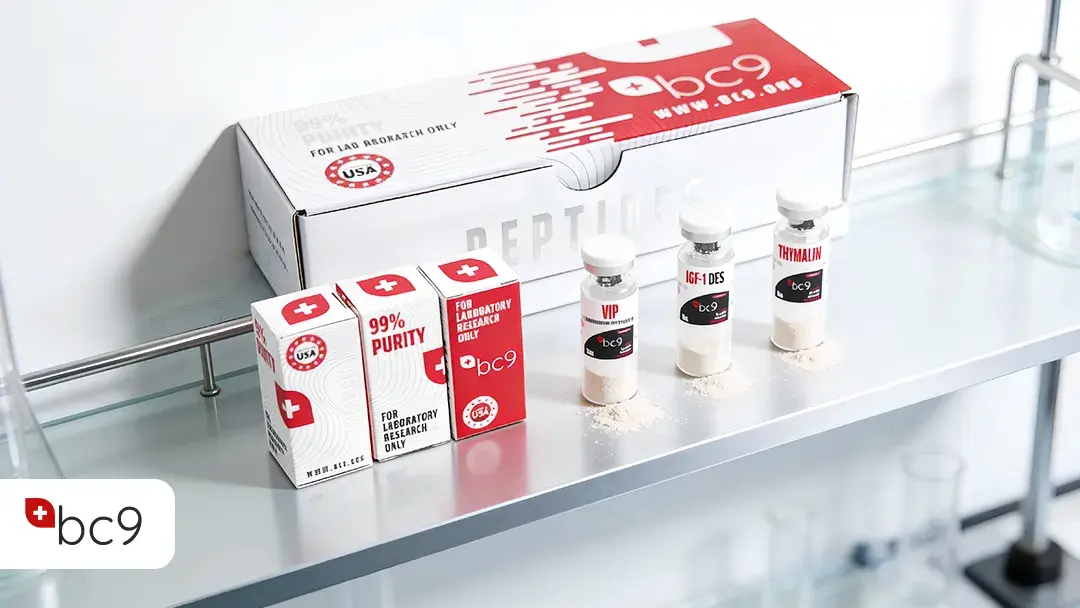

Melanotan 1 and Melanotan 2 are two synthetic peptides that have been modeled after the body’s innate hormone. Both are linked to pigmentation; however, they still differ in some aspects.
Melanotan 1 has been studied mainly for its possible photoprotective properties. On the flip side, Melanotan 2 has drawn interest due to its broader effects on research models’ melanocortin receptors.
This post will explore the peptides’ key differences, potential effects, and other pertinent topics.
Understanding Melanotan Peptides
Over the past decades, Melanotan peptides have attracted significant attention in tanning discussions and research circles. These compounds are often referred to as Melanotan 1 and Melanotan 2.
The Melanotan compounds are synthetic versions of the body’s naturally occurring alpha-melanocyte-stimulating hormone (α-MSH). The latter is a hormone that activates melanocytes. These refer to cells that produce melanin, the pigment responsible for skin, hair, and eye color.
Melanotan peptides were originally synthesized during scientific studies. These are those that explore ways to increase melanin production and better understand the skin’s response to UV exposure.
Melanotan peptides are classified as research peptides, meaning they are not approved for human consumption. Purchase these compounds for laboratory research purposes only.
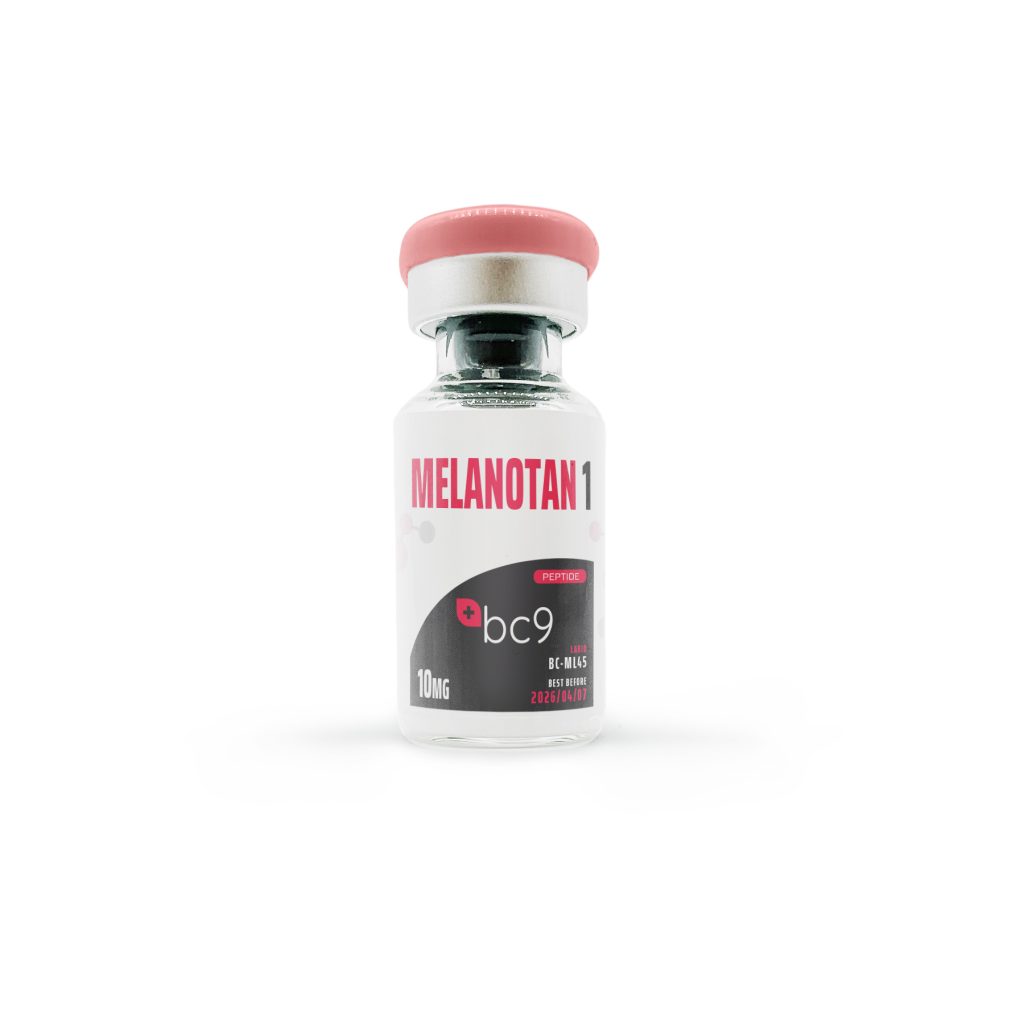
What is Melanotan 1?
Origins and Medical Background
Melanotan 1 (or simply MT-1) is also known scientifically as afamelanotide. It was the first synthetic peptide designed to mimic the body’s natural tanning hormone. The latter refers to alpha-melanocyte-stimulating hormone (α-MSH).
Developed in the 1980s by researchers at the University of Arizona, it was originally investigated as part of efforts to reduce UV-related skin damage.
Unlike Melanotan 2, MT-1 is more selective in how it interacts with melanocortin receptors. This explains why several studies often note its milder activity profile.
Structural Features
- MT-1 retains the 13-amino acid chain structure of α-MSH
- Two substitutions within the structure of MT-1 increase its metabolic stability and half-life as compared to natural α-MSH. The substitutions referred to are norleucine at position 4 and D-phenylalanine at position 7. [1]
- These changes make MT-1 less susceptible to enzymatic degradation. As such, it leads to more prolonged biological activity.
Receptor Binding and Activity
- MT-1 is a high-affinity agonist of the melanocortin 1 receptor (MC1R). [2]
- MC1R is primarily expressed on melanocytes. These are the skin cells that produce melanin.
- When MT-1 binds to MC1R, it is believed to activate the cAMP (cyclic adenosine monophosphate) pathway. This action could stimulate the enzyme tyrosinase.
- Tyrosinase catalyzes the production of eumelanin (the dark brown/black pigment), resulting in enhanced pigmentation among research models. [3]
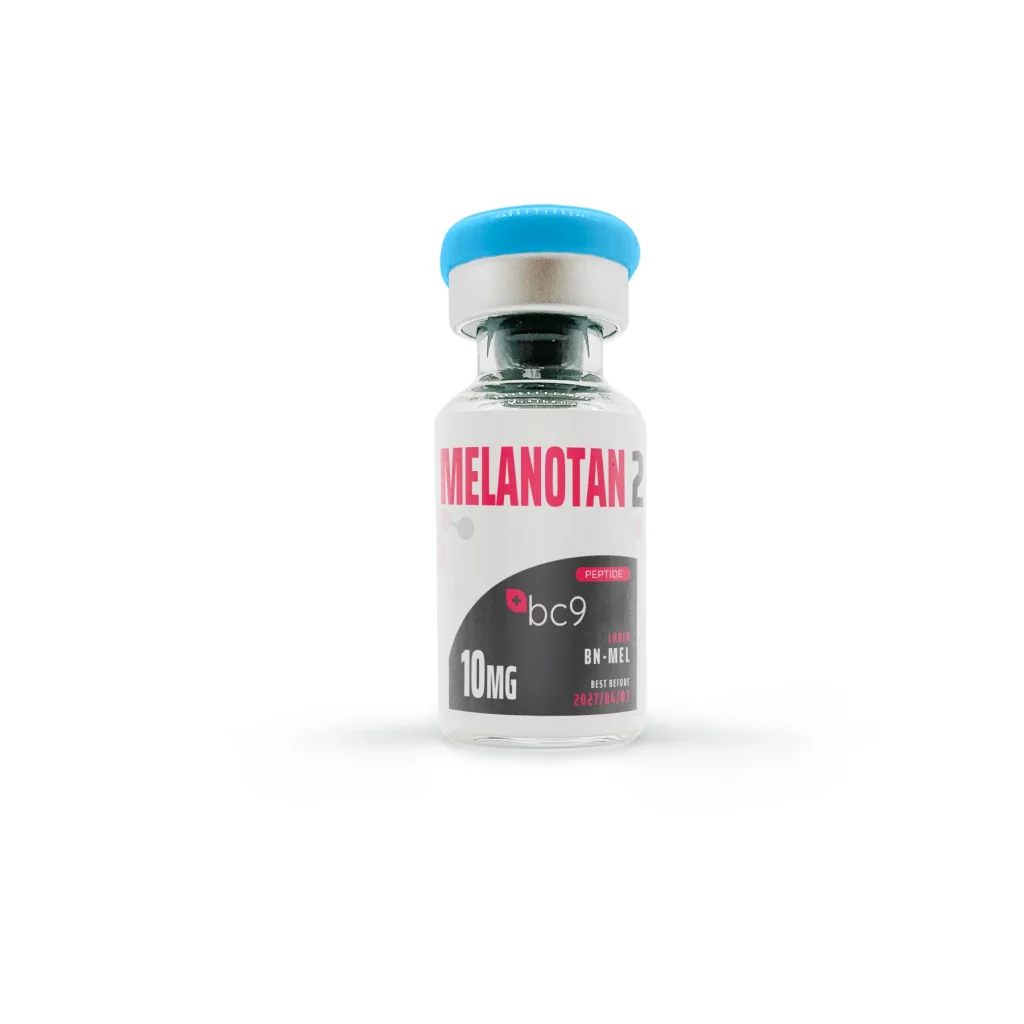
What is Melanotan 2?
Development and Potency
Melanotan 2 (MT-2) was developed as a structural modification of MT-1. This research tanning peptide was designed to be more potent and more effective at lower doses. Its ability to trigger pigmentation faster than MT-1 has enabled it to be a recurring point of discussion in tanning-related discussions. [4]
Structural Features
- MT-2 is described as a heptapeptide, consisting of 7 amino acids.
- It is characterized by a cyclic form created by a lactam bridge. This is situated between aspartic acid (position 2) and lysine (position 7). [5]
- The mentioned modification significantly increases MT-2 stability and receptor potency when compared to α-MSH and MT-1.
Receptor Binding Activity
Unlike MT-1, which is selective for MC1R, MT-2 has a broad receptor affinity:
- MC1R: Stimulates melanogenesis, increasing skin pigmentation [6]
- MC3R: Plays a role in energy balance and metabolic regulation [7]
- MC4R: Involved in sexual function and appetite regulation [8]
- MC5R: Associated with sebaceous gland function [8]
Key Differences Between Melanotan 1 and Melanotan 2
| Feature | Melanotan 1 (MT-1) | Melanotan 2 (MT-2) |
| Structure | Linear peptide (13 amino acids) modified for stability | Cyclic peptide (7 amino acids) with a lactam bridge |
| Primary Receptor Target | Selective MC1R agonist | Binds to multiple melanocortin receptors such as MC1R, MC3R, MC4R, and MC5R |
| Possible Effect | May stimulate melanogenesis (pigmentation) with possible photoprotective benefits | May stimulate pigmentation with potential influence on appetite, metabolism, and sexual function |
| Potency and Onset | Gradual, controlled pigmentation | Faster and more intense pigmentation |
| Duration of Action | Longer-lasting pigmentation effects | Shorter duration |
| Selectivity | High selectivity for MC1R → Possible fewer systemic effects | Broader receptor activity→ May result in a wider range of effects and adverse reactions |
Science-Backed Possible Benefits
For Melanotan 1
- Photoprotection Potential: Laboratory and preclinical studies suggest that MT-1 may increase melanin production. It may also reduce UV-induced oxidative stress in skin among research models. These dual effects are possible because MT-1 is identified as an agonist of MC1R. [9]
- Possible DNA Damage Reduction: In models of extreme UV sensitivity, MT-1 has been shown to reduce markers of DNA damage. An example of this is cyclobutane pyrimidine dimers (CPDs) in epidermal cells. [10]
- Possible Repigmentation Enhancement: Experimental data highlight MT-1’s ability to stimulate melanocytes and support melanin synthesis. This finding suggests that the tanning peptide may play a role in enhancing repigmentation strategies. [11]
For Melanotan 2
- Potential Reduced Food Intake: Animal studies demonstrate that MT-2 could potentially reduce food intake and feeding motivation. This effect is possible due to its broader melanocortin receptor activity (notably MC3R and MC4R). Based on this finding, MT-2 can be utilized in exploring potential research pathways in energy balance and metabolism. [12]
- Potential Weight Management Research Tool: In preclinical systems, MT-2 has shown dose-dependent effects on body weight regulation. This is possibly mediated by its central melanocortin signaling ability. Such findings point to MT-2’s relevance in obesity and metabolic disorder research. [13]
- Potential Enhanced Sexual Function: MT-2 was also observed to interact with MC4R. This is the receptor that is involved in sexual behavior pathways. Preclinical studies report enhanced sexual responses in animal models. [14]
IMPORTANT:
Melanotan 1 and 2 are not FDA-approved for human consumption. These are identified as research compounds. As such, the potential effects mentioned in this section still require more studies to verify how the peptides under investigation affect the human body. Buy MT-1 and MT-2 for laboratory research purposes only.
Risks and Side Effects
While considered to be the milder of the two peptides, studies note that MT-1 may still be linked with the following adverse reactions:
- Temporary nausea
- Fatigue
- Irritation at the injection site
Because of its broader receptor activity, MT-2 is more frequently associated with unwanted reactions. These may include:
- Nausea
- Increased libido
- Appetite suppression
Legal and Ethical Considerations
In many countries, including the US, UK, Canada, and Australia, Melanotan 1 and 2 are not approved for human consumption. These are often sold online as “research chemicals,” meaning they still require large-scale trials to verify their effects on humans.
Which One Is Better?
The answer to this question still depends on one’s research goals and setups.
Melanotan 1
- Highly selective for the MC1R receptor
- Produces more gradual and stable pigmentation effects among research models
- Has a narrower range of systemic effects when administered within research settings
Melanotan 2
- Broader receptor affinity as compared to Melanotan 1
- Demonstrates faster pigmentation responses in animal models
- Broader receptor affinity could lead to a wider spectrum of possible adverse effects
From a research viewpoint, Melanotan 1 is better characterized for photoprotection and pigmentation research studies. On the other hand, Melanotan 2 may be utilized in exploring broader fields such as metabolism and sexual function. It is difficult to classify which one is better than the other. Their suitability still depends on the specific pathways under investigation.
Conclusion
Melanotan 1 and Melanotan 2 are both synthetic analogs of the body’s naturally occurring alpha-melanocyte-stimulating hormone (α-MSH). Despite such a similarity, the tanning research peptides still display unique differences in terms of structure, receptor selectivity, and potential biological effects. These factors guide how each of the mentioned peptides may be utilized by researchers to move their studies forward.
It is important to recognize that neither peptide is approved for human use. Thus, they should only be purchased for research purposes.
References:
- Sawyer, T. K., Sanfilippo, P. J., Hruby, V. J., Engel, M. H., Heward, C. B., Burnett, J. B., & Hadley, M. E. (1980). 4-Norleucine, 7-D-phenylalanine-alpha-melanocyte-stimulating hormone: a highly potent alpha-melanotropin with ultralong biological activity. Proceedings of the National Academy of Sciences, 77(10), 5754–5758. https://doi.org/10.1073/pnas.77.10.5754
- Mun, Y., Kim, W., & Shin, D. (2023). Melanocortin 1 receptor (MC1R): Pharmacological and therapeutic aspects. International Journal of Molecular Sciences, 24(15), 12152. https://doi.org/10.3390/ijms241512152
- Gillbro, J. M., & Olsson, M. J. (2011). The melanogenesis and mechanisms of skin‐lightening agents – existing and new approaches. International Journal of Cosmetic Science, 33(3), 210–221. https://doi.org/10.1111/j.1468-2494.2010.00616.x
- Dorr, R. T., Lines, R., Levine, N., Brooks, C., Xiang, L., Hruby, V. J., & Hadley, M. E. (1996). Evaluation of melanotan-II, a superpotent cyclic melanotropic peptide in a pilot phase-I clinical study. Life Sciences, 58(20), 1777–1784. https://doi.org/10.1016/0024-3205(96)00160-9
- Zubair, R., Lyons, A. B., Vellaichamy, G., Peacock, A., & Hamzavi, I. (2019). What’s New in Pigmentary Disorders. Dermatologic Clinics, 37(2), 175–181. https://doi.org/10.1016/j.det.2018.12.008
- Gruis, N. A., & Van Doorn, R. (2012). Melanocortin 1 Receptor Function: Shifting Gears from Determining Skin and Nevus Phenotype to Fetal Growth. Journal of Investigative Dermatology, 132(8), 1953–1955. https://doi.org/10.1038/jid.2012.216
- Kublaoui, B., & Levine, M. A. (2021). Receptor transduction pathways mediating hormone action. In Elsevier eBooks (pp. 30–85). https://doi.org/10.1016/b978-0-323-62520-3.00003-8
- Switonski, M., Mankowska, M., & Salamon, S. (2013). Family of melanocortin receptor (MCR) genes in mammals—mutations, polymorphisms, and phenotypic effects. Journal of Applied Genetics, 54(4), 461–472. https://doi.org/10.1007/s13353-013-0163-z
- Yardman‐Frank, J. M., & Fisher, D. E. (2020). Skin pigmentation and its control: From ultraviolet radiation to stem cells. Experimental Dermatology, 30(4), 560–571. https://doi.org/10.1111/exd.14260
- CLINUVEL trial results show drug reduces DNA damage | The Australian Sun. (n.d.). https://www.theaustraliansun.com/article/611491819-clinuvel-trial-results-show-drug-reduces-dna-damage?utm_source=chatgpt.com
- Lim, H. W., Grimes, P. E., Agbai, O., Hamzavi, I., Henderson, M., Haddican, M., Linkner, R. V., & Lebwohl, M. (2014). Afamelanotide and narrowband UV-B phototherapy for the treatment of vitiligo. JAMA Dermatology, 151(1), 42. https://doi.org/10.1001/jamadermatol.2014.1875
- Baldini, G., & Phelan, K. D. (2019). The melanocortin pathway and control of appetite-progress and therapeutic implications. Journal of Endocrinology, 241(1), R1–R33. https://doi.org/10.1530/joe-18-0596
- Côté, I., Sakarya, Y., Kirichenko, N., Morgan, D., Carter, C., Tümer, N., & Scarpace, P. (2016). Activation of the central melanocortin system chronically reduces body mass without the necessity of long-term caloric restriction. Canadian Journal of Physiology and Pharmacology, 95(2), 206–214. https://doi.org/10.1139/cjpp-2016-0290
- Rossler, A., Pfaus, J., Kia, H., Bernabe, J., Alexandre, L., & Giuliano, F. (2006). The melanocortin agonist, melanotan II, enhances proceptive sexual behaviors in the female rat. Pharmacology Biochemistry and Behavior, 85(3), 514–521. https://doi.org/10.1016/j.pbb.2006.09.023